Building Ecosystems
and Fostering Healthy
Communities

Building Ecosystems and Fostering Healthy Communities

We are committed to creating a better future as good neighbors and responsible partners in the places where we live and work.

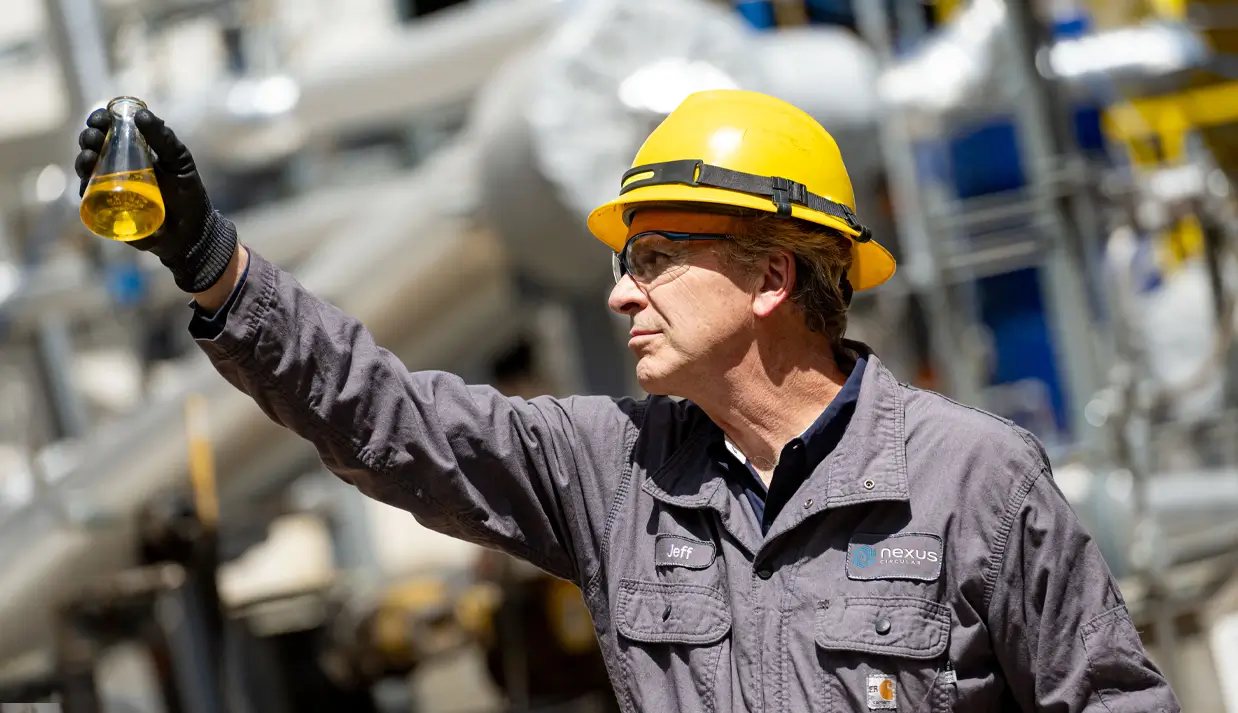
Nexus Circular founder Jeff Gold in a hard hat holding up a glass vial of golden circular oil
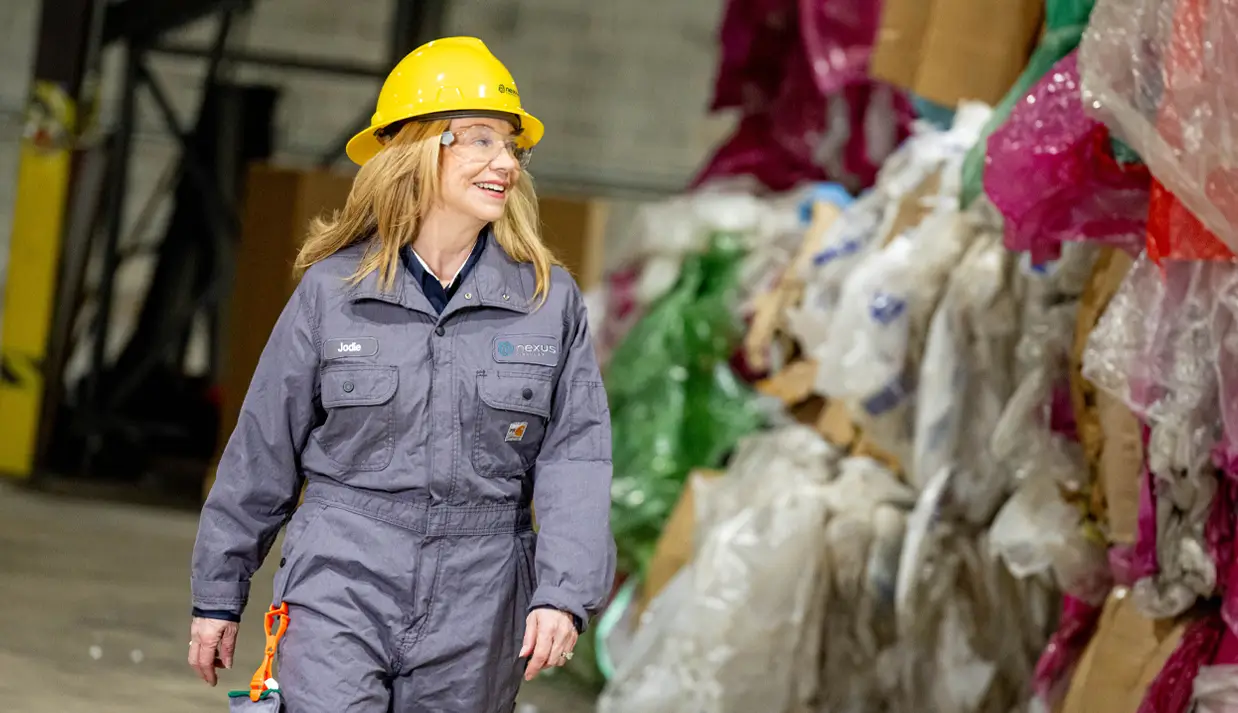
Nexus Circular CEO Jodie Morgan in a hard hat walking past bales of mixed plastic film
ISCC (International Sustainability & Carbon Certification) logo

Nexus is ISCC PLUS certified,

an internationally recognized third-party sustainability certification program that verifies the traceability of recycled plastic content through manufacturing facilities and the petrochemical supply chain.

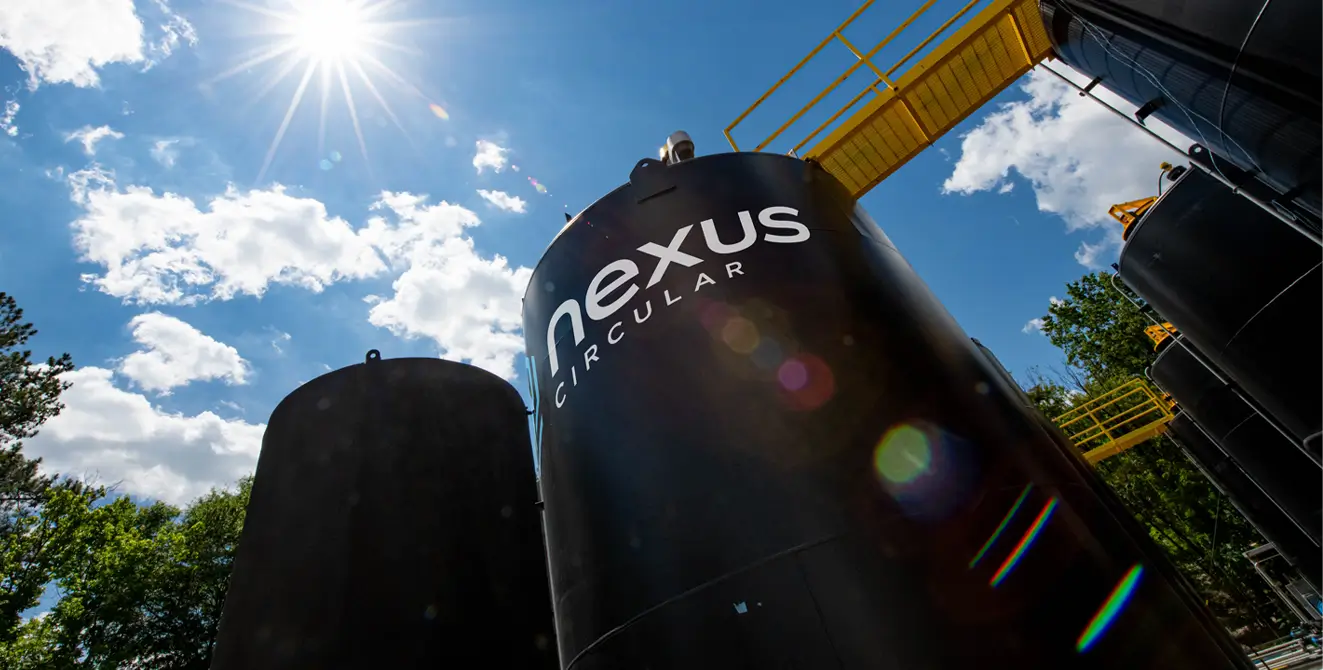
Black Nexus Circular storage tanks at the plastics recycling facility

Advancing the Circular Plastics Economy

We treat plastics as a resource by recovering and returning them back into the supply chain. By complementing mechanical recycling, we help keep more plastic in circulation and reduce reliance on additional fossil-based resources.

INVESTING IN LOCAL GROWTH

Our facilities are bringing skilled manufacturing jobs and new investment to Georgia.

$200M+

Invested in facility expansion and growth in Georgia

300

New manufacturing jobs across our two facilities by end of 2027

“

Manufacturing is proven to help people build economic mobility and achieve a better quality of life. And we have an opportunity to do that in spades with quality, solid, honorable work, income and healthcare.”

Jodie Morgan, Nexus Circular CEO

Developing Local
Manufacturing Talent

Developing Local Manufacturing Talent

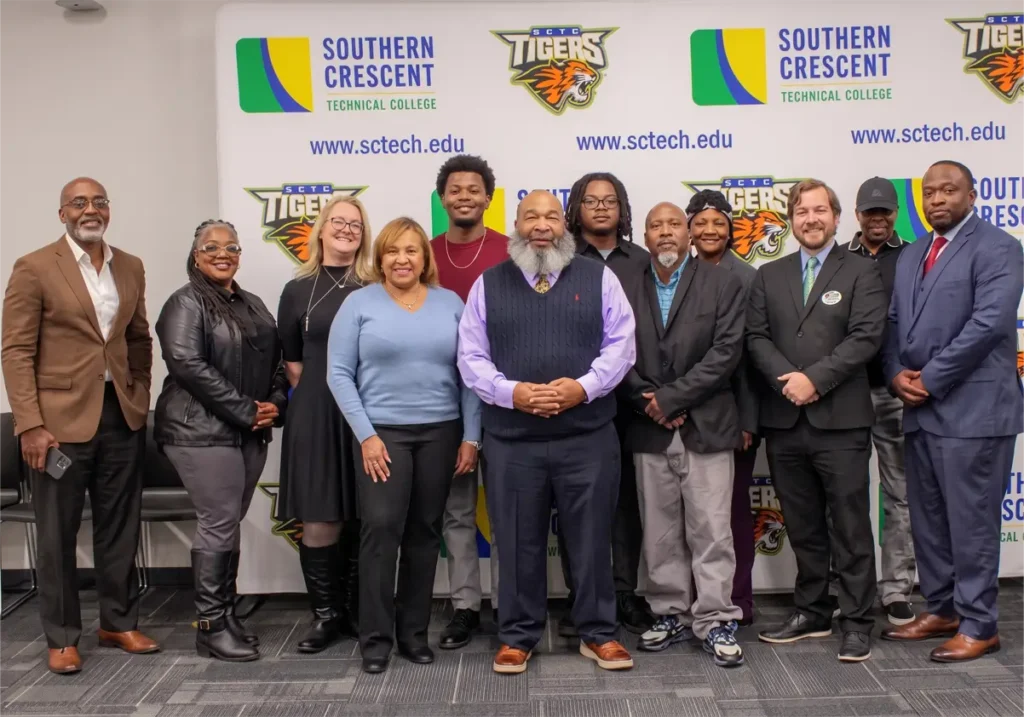
Nexus Circular partnered with Southern Crescent Technical College and the Henry County Development Authority to create a pre-apprenticeship program that combines classroom and hands-on technical training for careers in advanced manufacturing and future opportunities at the company.

“

This program opened the door to a new career with Nexus Circular. The company truly invests in its employees, and I’m grateful to Southern Crescent Technical College for providing this opportunity.”

Kareem Spence, program graduate
and HMI Operator at Nexus Circular

Nexus Circular team members and Southern Crescent Technical College students and staff

Supporting Global
Sustainability Goals

Supporting Global Sustainability Goals

Our impact aligns with several United Nations Sustainable Development Goals (SDGs), a set of 17 global goals established to address major social, economic and environmental challenges and advance a more sustainable future.

RECOVERING RESOURCES

By recovering hard-to-recycle plastics, we are conserving resources, reducing our dependence on fossil fuels and helping prevent more plastic from accumulating in the environment.

UN Sustainable Development Goal 6: Clean Water and Sanitation icon
UN Sustainable Development Goal 13: Climate Action icon
UN Sustainable Development Goal 14: Life Below Water icon
UN Sustainable Development Goal 15: Life on Land icon

OPERATING RESPONSIBLY

We operate responsibly, supporting the health and well-being of our community through ongoing compliance with stringent federal and state environmental performance standards and rigorous safety protocols.

UN Sustainable Development Goal 3: Good Health and Well-Being icon
UN Sustainable Development Goal 11: Sustainable Cities and Communities icon

GENERATING VALUE

We are driving economic growth by creating skilled jobs, investing in local infrastructure and scaling innovative technologies efficiently and sustainably.

UN Sustainable Development Goal 8: Decent Work and Economic Growth icon
UN Sustainable Development Goal 9: Industry, Innovation and Infrastructure icon
UN Sustainable Development Goal 12: Responsible Consumption and Production icon
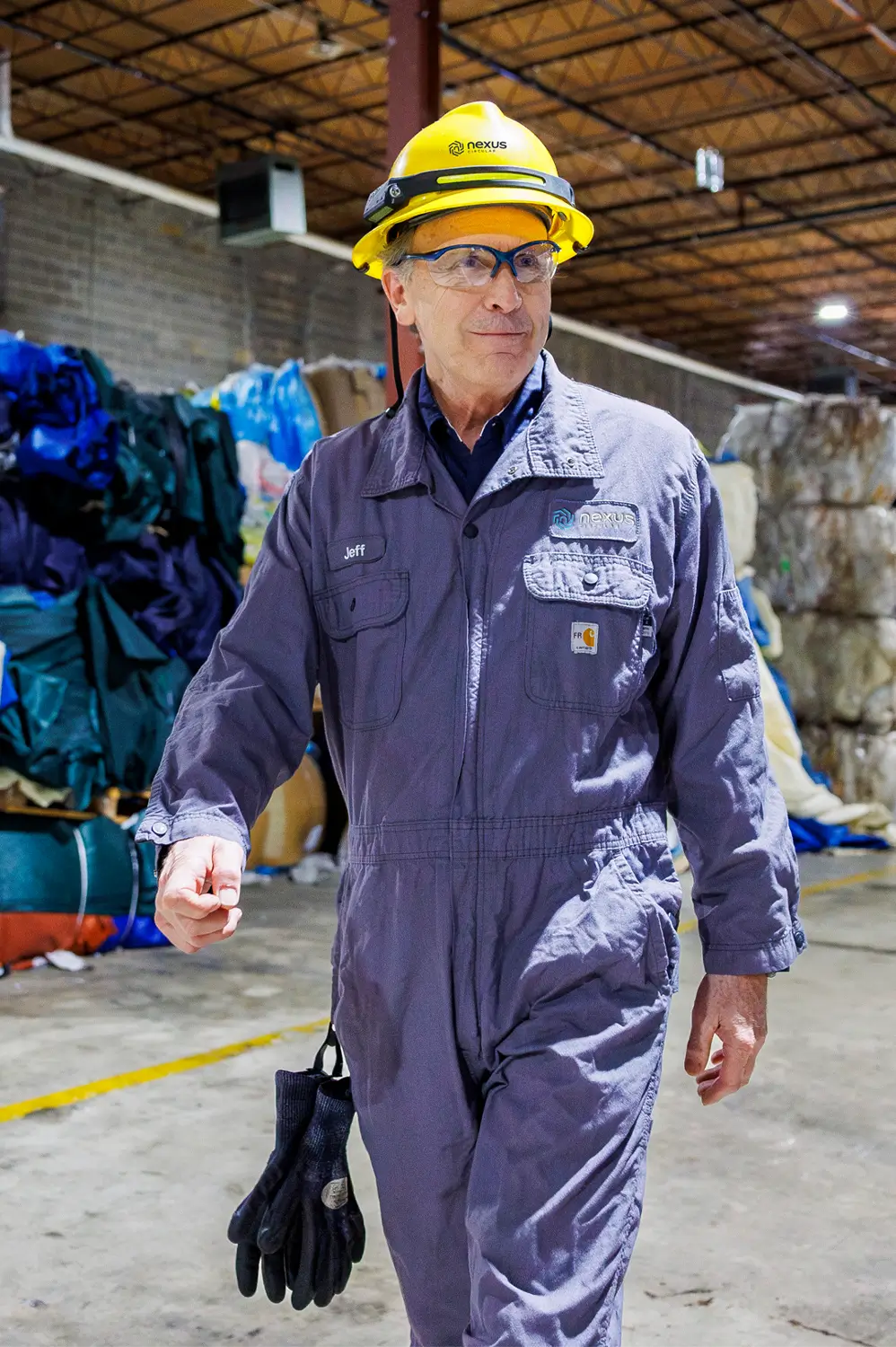
Nexus Circular founder Jeff Gold in a hard hat walking through a warehouse of baled plastic

Frequently
Asked Questions

Frequently Asked Questions

Learn more about the regulations, permits and emissions controls that help guide responsible operations at Nexus Circular facilities.

Nexus Circular’s facilities in Georgia are permitted and regulated by federal and state environmental agencies as a Synthetic Minor under Section 112 of the Clean Air Act, which sets enforceable limits on emissions.

Each facility operates responsibly to ensure full compliance with its permits by monitoring and controlling emissions and regularly reporting environmental performance through established regulatory programs.

The Clean Air Act, established by the U.S. federal government in 1970, is the primary federal law governing air emissions from stationary and mobile sources. It authorizes the U.S. Environmental Protection Agency (EPA) to establish national air quality standards and regulate emissions of pollutants that can affect human health and the environment. Facilities are required to obtain permits, monitor emissions and comply with enforceable limits established by environmental regulators to help protect air quality.

A Synthetic Minor facility operates within permit limits, utilizing emissions control devices when applicable to ensure its emissions remain below permitted thresholds.

Nexus Circular’s facilities in Georgia are permitted and regulated by federal and state environmental agencies as Synthetic Minor facilities under Section 112 of the Clean Air Act, which establishes enforceable emissions limits.


An air quality permit establishes the requirements and enforceable limits a facility must follow for its air emissions. Depending on the facility and applicable regulations, a permit may specify allowable emission levels, operating conditions, monitoring, recordkeeping and reporting requirements.

Emissions controls are equipment and systems designed to capture, reduce or otherwise control pollutants released during manufacturing processes. Nexus Circular incorporates emissions controls into its facility design to ensure compliance with applicable air quality permit requirements.

The Good Company reports that emissions from an advanced recycling facility are similar to those from common industrial facilities and institutions found in communities across the country, including hospitals, universities, food packaging facilities, automotive assembly plants and other manufacturing operations.

Tell us more

Your message goes straight to the team that handles your area. We typically reply within two business days.